Podcast interview with Dan Pink, pop-psych author; mentioned how he finds writing a book proposal really helpful because it helps him think about a thing. It's not that he does all the research and then writes it down; writing the book proposal is part of the research.
(That's kinda a purpose of this blog, which maybe I had never realized until now.)
---
I don't know what to do with suffering. Here are two seemingly-opposing points of view:
1. Suffering is just bad; you should try to avoid it.
2. Some suffering can be good.
Ok, obviously not all suffering is good - if it were, I should be flagellating myself in the streets. There is some suffering that is just stupid. So that leaves us with, "can suffering be good?"
Points for "yes suffering can be good":
- Viktor Frankl
- the Catholic Church
- "better to have loved and lost than never to have loved at all"
- some kind of gut feeling that I can't really explain; but my basic morality was very informed by Methodists and Catholics so I don't trust this very much
Points for "no, suffering can't be good":
- well, the obvious: it feels bad! and if it feels good (say, if you're a masochist), it's not really suffering then, is it?
- by what mechanism can suffering be good?
- the idea that suffering can be good can keep you from alleviating your suffering. Or, "of course The Man wants you to think suffering is ok."
What are some examples of suffering that is good?
1. You are working hard on a project, but you finish it and you've done a great job! Your hard work involved suffering.
2. You are caring for a beloved family member dealing with a sickness, and it's hard, but they appreciate it and you are helping them feel better.
3. That family member dies. You feel very sad.
In case 1, would it have been better if you hadn't suffered? I mean, say the outcome is the same. Maybe it wouldn't mean as much to you. Like, if you're a kid on the playground trying to dunk a basketball and it's really hard but you keep practicing jumping and you finally do it, that's the best day of your life! If you're Lebron and you dunk, whatever.
In case 2, what if you didn't suffer? Like, you help them, but it's really no skin off your back. Maybe they're not as close to you then? They appreciate it, but they know that it's easy to you.
In case 3, what if you didn't suffer? I guess if you just shrugged and said "whatever"... well, everyone would think you're a monster, but more importantly maybe you'd have been missing out on a deep relationship.
---
Frost and Fire is a short story by Ray Bradbury that I keep coming back to, mostly for one scene. In this world, the sun is very very hot, and so there's only like an hour at dawn and an hour at dusk where the outside is habitable; otherwise it's skin-meltingly hot and people live in these caves. When they have to settle a dispute, instead of physically fighting each other, the two combatants will just stand outside at dawn and suffer as long as they can; first one to go back inside loses the dispute.
Evolutionary biologists (I think) talk about "costly signaling": mates are attracted to animals with very visible negative traits, because "I can survive even with this bad thing" suggests "I am very fit." Something about big antlers or something - doesn't really help, just makes life difficult, but if you can deal even with these antlers, well, you must be a real prize.
Economists would talk about costs too, and I don't know how, but there's some idea of raising costs for things. Like, congestion pricing in cities ("everywhere you might enter central London in a car, you have to pay a $20 toll"). That's just worse for all the drivers - but makes for a better city overall,
even if they just burned the collected tolls. Sometimes we can inject suffering into a system that didn't have it before, and it will make the city run better.
None of these are really justifications for suffering, as a human; you're not going to win a fight or find a mate or get less traffic just because you suffered. Actually, none of this may be related to the conversation at all. Makes me feel clever, though, to talk about it.
---
Another wrinkle about suffering comes from the Buddhists. AFAIK, they all tend to make an important distinction between pain and suffering. Pain is just pain; suffering is all the stuff our conscious mind layers on top of it.
For example, you stub your toe on a table leg. "Ouch!" is pain. "I'm so stupid, how could I have not seen that table leg?" is suffering.
Getting good at dealing with suffering (and lessening it, by not
shooting more arrows at yourself when you do get hit by an arrow) is maybe the entire point of Buddhist teaching.
(obligatory IANABuddhistTeacher)
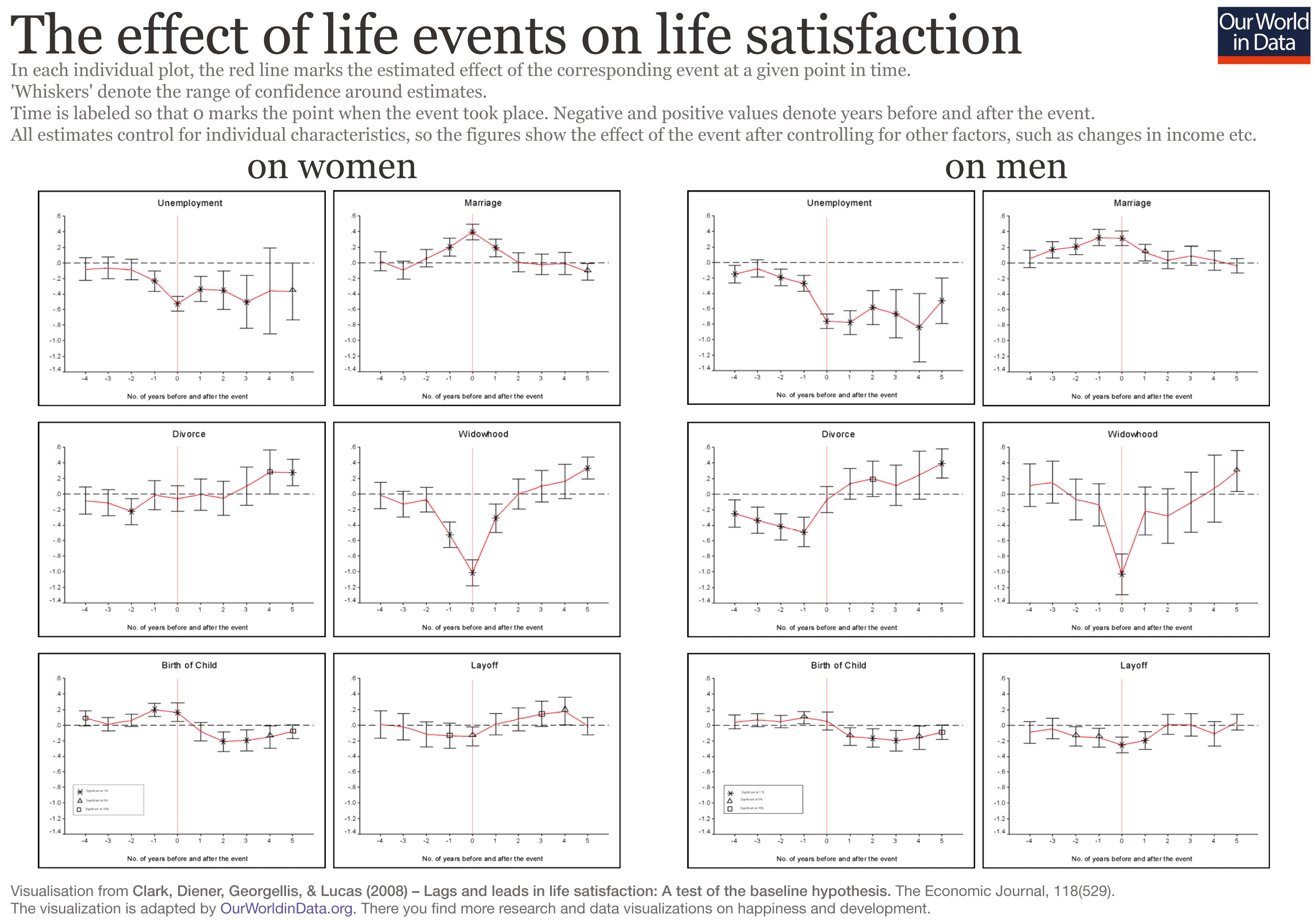
So instead maybe we should be asking "Can pain be good?" And of course, yes it can; it makes you get your hand away from the hot stove. It might even be good in stuff like case 3 above, with the family member dying. I've had painful experiences that I wouldn't want to undo; somehow the feelings, however painful, seem worthwhile.
Similarly, if you imagine the Buddha, I don't think he'd see a family member die and go "whatever, no problem!" I think he'd be very sad. I guess he'd just avoid any shooting-more-arrows-at-himself.
---
I don't have any great answers here, but bringing them all together:
- sometimes physical pain is good
- sometimes emotional pain even is good, like the family member dying
- adding suffering and second arrows to it maybe isn't useful
- did I just talk myself into just accepting the Buddhist position whole hog?
How can I apply it to my immediate problem, which is that my cat Humpty won't shut up and keeps waking me up at 6:30am?
I guess, just deal with it - the pain may help me deepen my relationship with cat; laughing about it may deepen my relationship with Tati; gives me something to make small talk about at work. At least, it's interesting. That is how I think about these things when traveling: even the dumbest and worst experiences lead to great memories. At any rate, avoid second-arrowing, like "will he ever stop meowing?" or "why did we even get this stupid cat?"
You know how, when you exercise a lot, you hurt but it feels virtuous? Maybe that's what I ought to start doing about pain in general. Like, with cat making me sleep-deprived, maybe I just try to say "yep, I am dealing with this pain; it is making me stronger/wiser/better, or at least making a good memory."
(That's kinda nauseatingly cloying. Still the best answer I've got, though.)